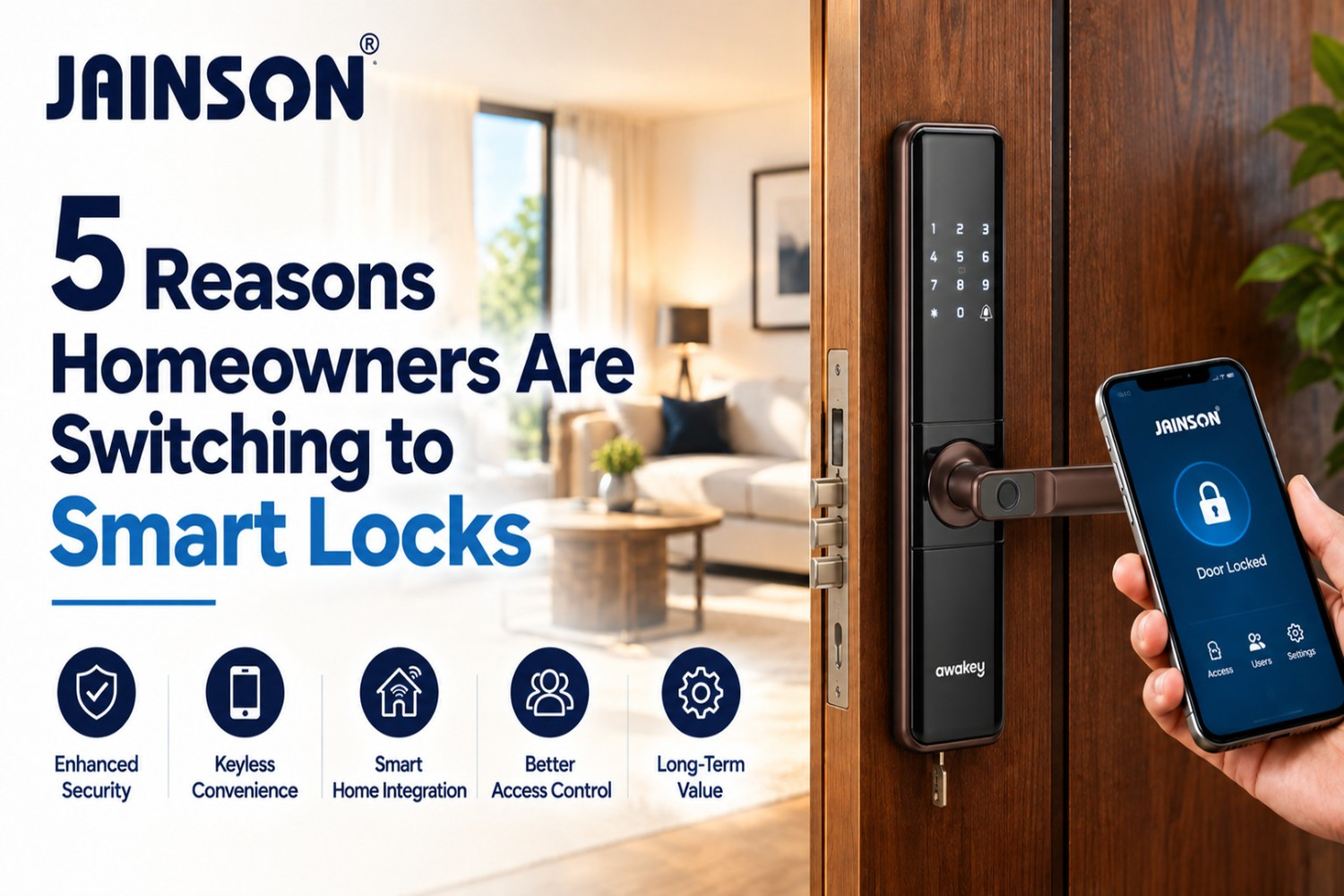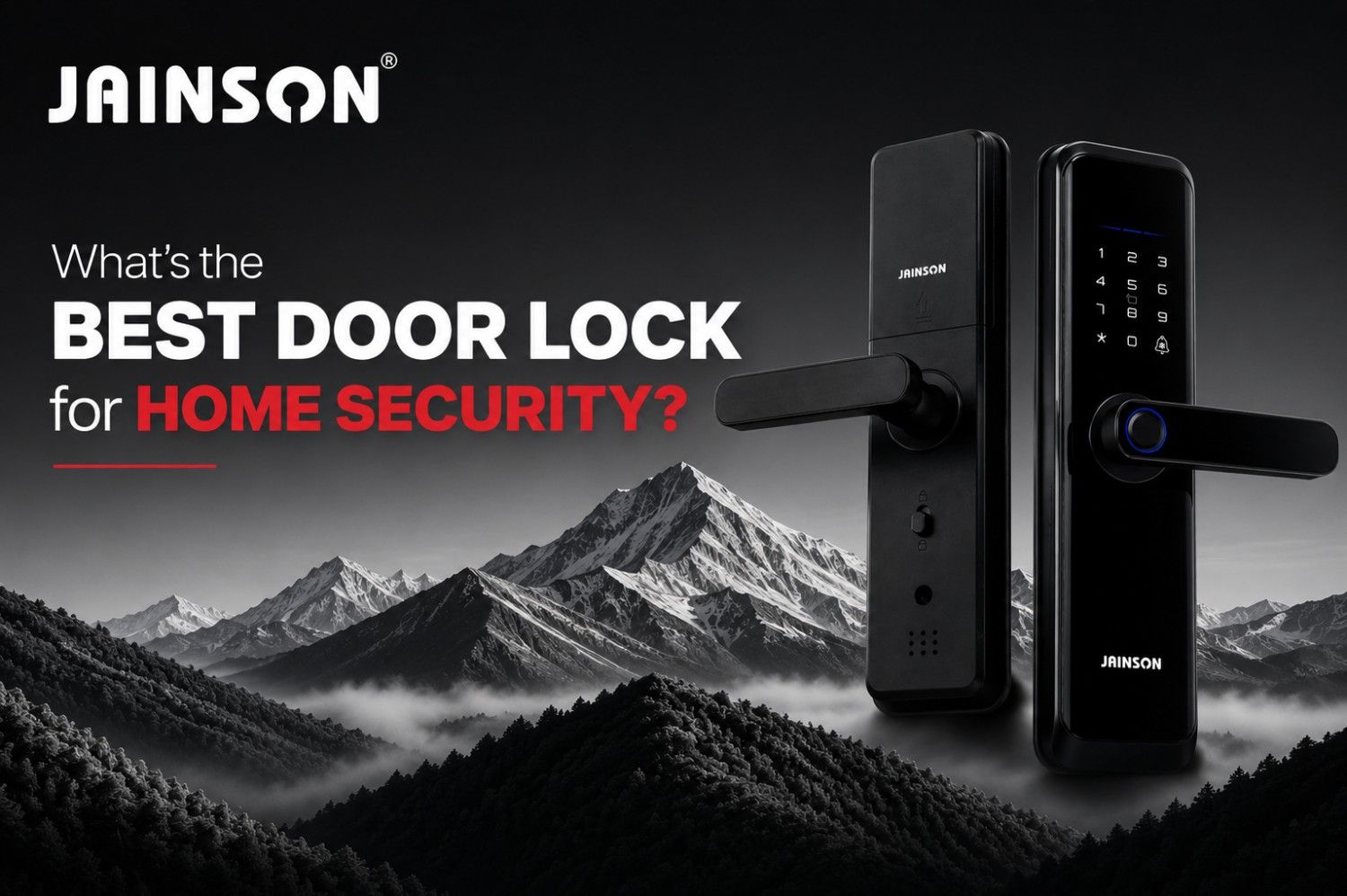
The home security world is getting connected. While traditional locks continue to be popular, electronic locking systems offer a blend of physical security and digital authentication and access control, providing a more comprehensive solution for home security. The Indian smart lock market is also on a growth trajectory. The number of features advertised, however, should not be the only criteria used to choose a smart lock in India. When selecting a home alarm system, homeowners should take into account authentication, emergency access, battery life, software security, door compatibility, good installation and quality support.
1. Multiple Access Methods
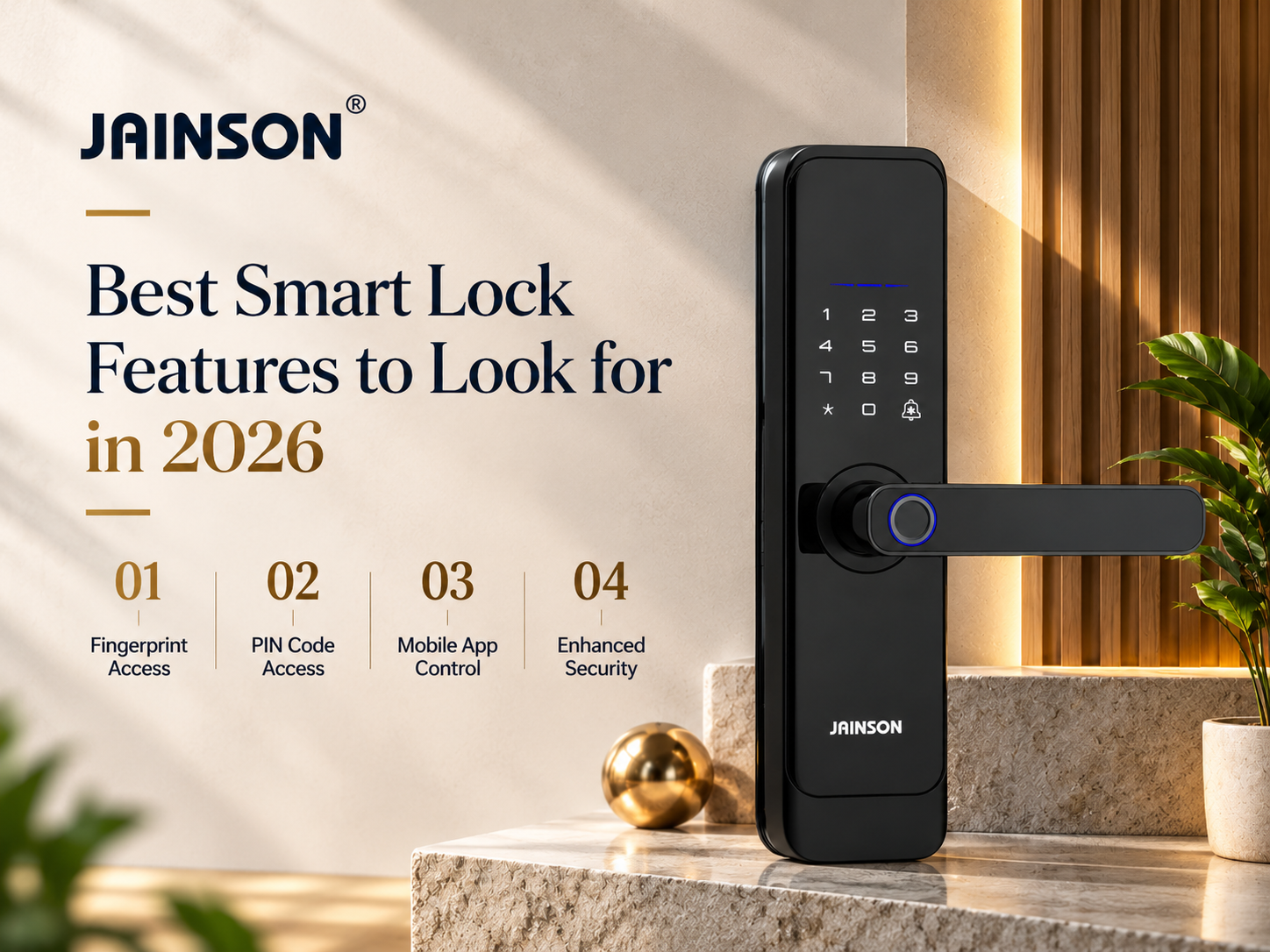
One of the greatest advantages of smart locks is that they offer multiple means of unlocking a door. A Smart door lock with fingerprint option in India can be used to open the door using a biometric authentication method and does not require any physical key. Other popular options are PIN codes, RFID cards, smartphones, Bluetooth and mechanical keys.
Where different users have different preferences, it may be helpful to have multiple access methods for the home.
Additional features don’t equate to improved security. Reliability and appropriateness of the available methods are critical.
2. Reliable Fingerprint Authentication
Biometric access is becoming an increasingly vital aspect of smart home locks. This can make it easier to get in and out of the house on a daily basis and limit the need for physical keys.
When considering fingerprint technology, look for:
NIST’s draft IoT cybersecurity guidance includes biometric authentication as an option for authentication methods and emphasises proper handling of authentication and user access.
3. Secure PIN and Keypad Access
Another common option in homes is keypad access. PINs can be helpful for those who aren’t interested in using a finger or smartphone. Homeowners can also create individual or temporary codes depending on the model.
An effective keypad system should have:
Homeowners should not use a simple or obvious PIN and should not divulge access codes if it is not necessary.
4. RFID Access for Flexible Entry
RFID is used for unlocking compatible locks using a registered card or tag. The number of possible cards that can be put in the system and whether a card can be disabled if it is lost should also be considered when comparing RFID smart locks in India.
Important considerations include:
There are opportunities to gain an advantage from digital credentials, as an authorised credential could be removed without changing the entire lock.
5. Smartphone Connectivity
Connectivity with smartphones can make access management more flexible and reliable. App controlled door locks in India enable homeowners to potentially control users, access permissions, activity logs, notifications and more via an app. Some systems will also allow remote locking/unlocking. Buyers should find out how connectivity works. Some functions might need Bluetooth, and some remote functions might need Wi-Fi or another connectivity device.
A useful application should offer the following advantages:
NIST’s April 2026 revision of its IoT manufacturer guidance emphasises cybersecurity activities, product security and the information manufacturers should provide to their customers.
6. Emergency Access and Battery Backup
One of the most important features of an electronic lock is a reliable backup system for emergencies.
Depending on the product, backup options may include:
Homeowners understand the emergency entry procedure before purchasing the smart locks.
Battery Checklist
| Feature | What to check |
| Battery life | Expected operating range |
| Low-battery warning | Whether an alert is provided |
| Emergency power | External power option |
| Replacement | Ease of battery replacement |
| Backup entry | Mechanical or alternative access |
7. Cybersecurity and Software Updates
A digital smart lock for home combines physical security with digital technology. Therefore, cybersecurity is an important part of the buying decision. NIST’s IoT cybersecurity requirements identify areas such as logical access control, data protection, software updates, device security and cybersecurity state awareness as important capabilities for connected devices.
Before buying, homeowners should check whether the manufacturer provides:
NIST’s updated 2026 guidance also emphasises cybersecurity throughout the IoT product lifecycle.
8. Door Compatibility and Installation
A smart lock must be compatible with the door on which it will be installed. Make sure to check all these things:
Correct installation is equally important. A poorly fitted lock may affect reliability and everyday operation regardless of its electronic features.
Choosing the Right Smart Lock
The smart lock with the greatest number of features doesn’t necessarily match the best smart lock in India. Choices will depend on how the house needs to be used, who is using it, the type of door, and what type of access is desired. Jainson Locks is among a new category of products that integrate physical locks with today’s technology access methods.
In 2026, homeowners need to consider authentication, emergency access, battery management, cybersecurity, software support, door compatibility and applicable standards as key areas to consider when evaluating locks.
When it comes to buying a keyless door lock in India it is very important to consider more than looks and the number of features. It’s not just about the reliable hardware; it’s also about the right authentication, proper installation and support.
Smart locks provide a flexible solution for homeowners who want to manage access to their homes in new and innovative ways, and as connected-home technology evolves in India, smart locks are emerging as a viable solution. When customers are considering new access methods, Son Locks can help educate them on Son’s features that will work for their home.
One of the most important features to look out for is secure authentication like fingerprint, PIN or even RFID entry.
Yes. There are smart locks that have the capability to operate without Wi-Fi and they can be accessed by fingerprint, pin or RFID or Bluetooth coding.
Most models have a secondary feature such as emergency power or mechanical key.
When installed and maintained properly, they can offer secure access. For the security of smart locks other features such as software updates, robust authentication and secure user management are also crucial.
Before buying a smart lock you should review the compatibility of doors, access options, battery life, emergency access, connectivity, software support and applicable certifications.