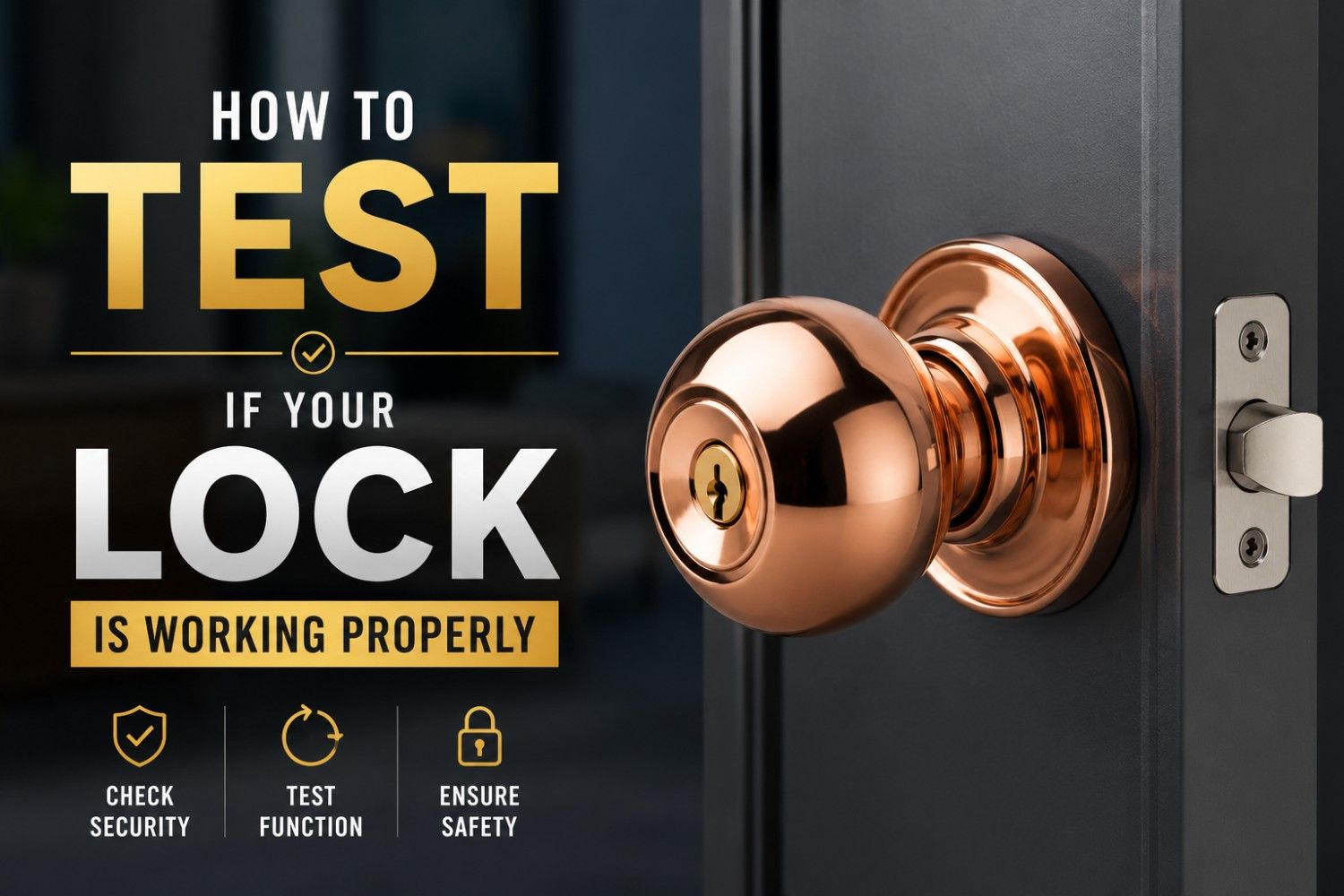
If you are also sleeping peacefully in your house, thinking your high-quality door locks are enough to protect you from danger, then let me tell you, you are not completely right. Buying a premium lock once a year is not enough, you also need to make sure it is working properly from time to time. But how do we know if a lock is working properly or not?
It can look good and proper from the outside but can have some internal issues that get ignored by us. You do not need any special or expensive tools to check just some steps can help you know if it operates properly or not.
How to Test If Your Lock Is Working Properly From Outside
First of all begin by checking if the look of your main door is working or not. Look closely at the lock and inspect its keypad or handle. Check for observable cracks, rust, damaged parts or unusual gaps around the lock.
Try moving the lock slowly with your hand. It should feel hard to attach to the door. If the lock moves with force, some screws or internal components can be damaged. Do not ignore small changes. A loose lock can still work today but can become less reliable over time.
1. Check Your Opener and Lock Mechanism
Insert your pass into the lock and turn it slowly. The key should move effortlessly without needing much force.
If the key gets stuck, feels unusually tight or needs to be moved around before the lock opens, there can be a problem with the door alignment. Try your extra opener. If both keys have the same problem, the lock needs attention. If only one key feels difficult, that key is damaged.
2. Check the Door Alignment for Better Lock Performance
A properly aligned door is important for reliable locking. Close the door normally and check whether it closes without any hassle.
Now lock the door. You should not need to push, pull, lift or press the door to make the lock work.
If the lock works easily when the door is open but becomes difficult when it is closed, the problem can be with the door or the stand in place of the lock itself.
3. Test the Deadbolt and Strike Plate
If your door has a deadbolt, close the door and extend the bolt fully. It should enter the strike plate effortlessly and fit securely inside it.
Pay attention to scraping or resistance. A bolt that stops halfway or hits the edge of the strike plate can indicate an alignment issue.
Also check whether the walkout plate is properly attached to the door. Damaged screws can reduce the overall power of the locking system.
How to Check a Smart Door Lock or Keypad Lock
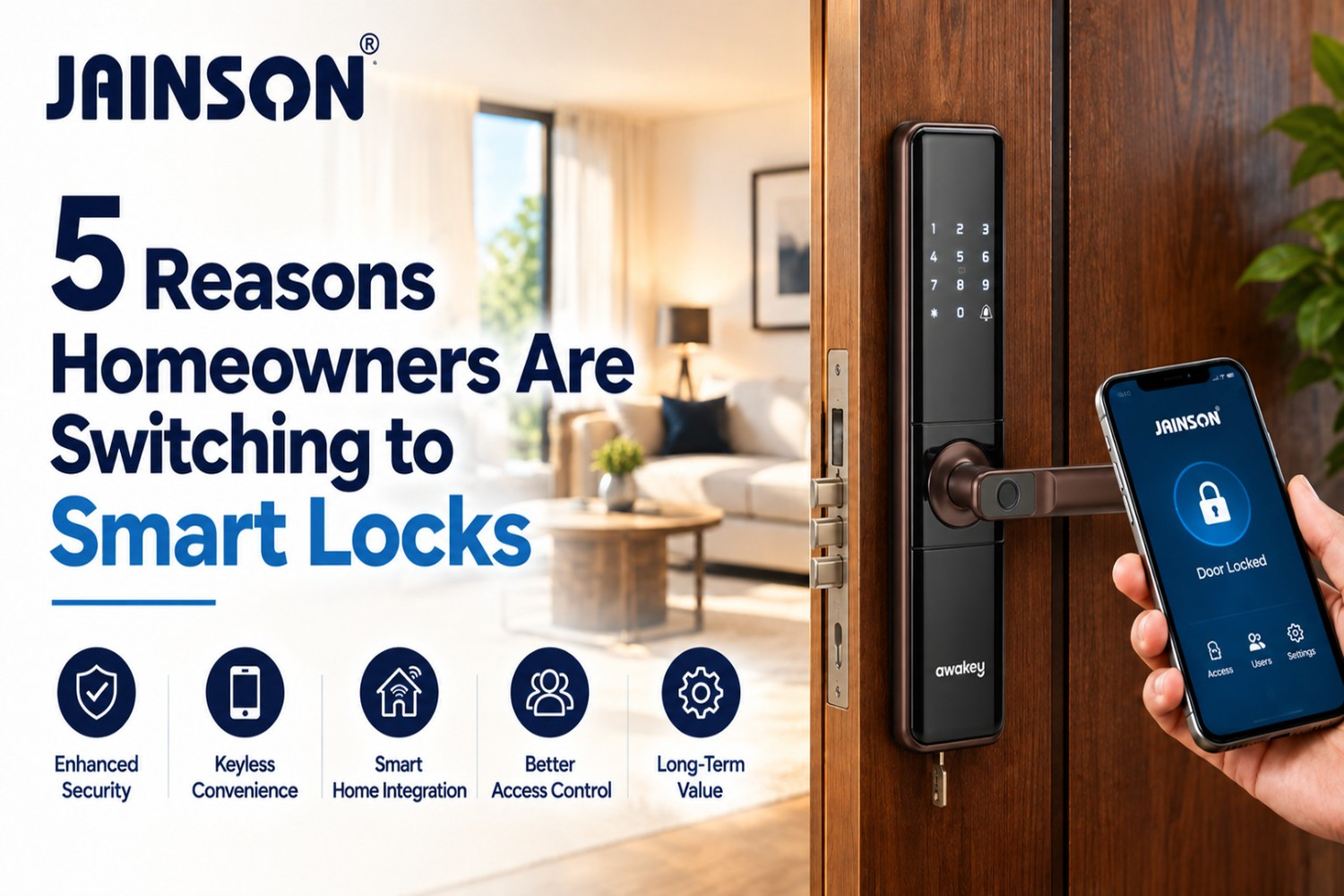
Smart and electronic locks need different checks. Test every access method available on your lock like a PIN, finger lock, smartphone app or physical pass.
Check the battery as well. A smart lock with a low battery stops responding when you need it most.
If your lock has an emergency opener or backup method, test that from time to time. Having a backup option can be useful if the electronic system stops working.
Listen for Unusual Lock Sounds
Sound can also tell you a lot about your lock. While turning the pass or operating the handle, listen for grinding, scratching, repeated clicking or exceptional stiffness.
Some normal mechanical noise is expected but a sudden change in sound can indicate that something inside the mechanism is damaged.
If the noise continues or gets worse, it is better to have the lock inspected in lieu of forcing it.
Conclusion
A good lock should work effortlessly, close securely and work without excessive force. Regularly check the opener, deadbolt, walkout plate, door alignment, nails and electronic parts if you have a smart lock.