An almirah is a must-have storage unit in any home, office and workplace. It’s useful for organising and securing clothes, papers, jewellery and other valuable items. But it is also crucial to select the right lock to ensure safety and convenience. The choice of the most appropriate Almirah Locks may sometimes be confusing due to the various design, material and locking options available.
From a wooden storage room to a metal cupboard to an office storage unit, the proper lock can make it easier to use every day and enhance security. Lock type, material, size, durability and budget are some factors that should be taken into consideration before purchasing a lock.
This guide will discuss the various types of almirah locks, features, and factors to take into consideration when choosing an appropriate lock for your storage unit.
An almirah lock is more than just a lock for a cupboard door. It can help safeguard personal property, deter trespassers and give peace of mind.
Let’s look at some of the reasons why it’s important to select the right lock:
Better security: A secure locking system ensures the safety of valuables and important documents.
Everyday convenience: A smooth locking mechanism will make it easier to open and close your almirah.
Long-lasting performance: Good-quality locks are designed to withstand regular use.
Compatibility: The lock should be compatible with the material, thickness and design of your Almirah.
Enhanced appearance: A good lock will enhance the overall look of your wardrobe or cupboard.
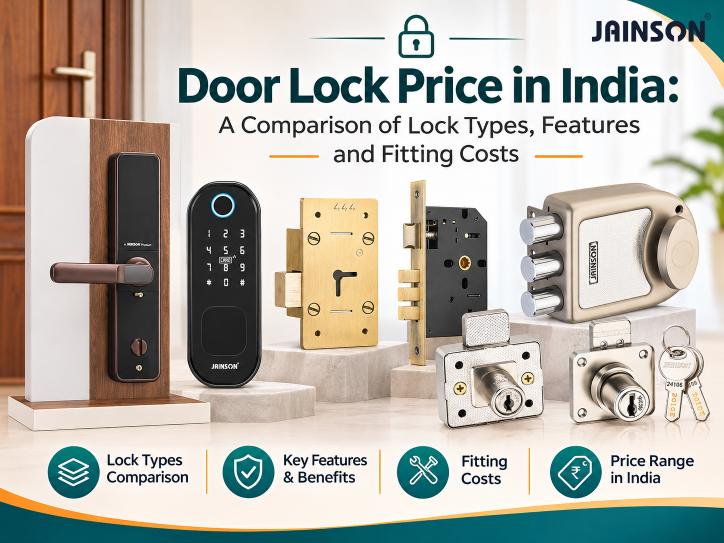
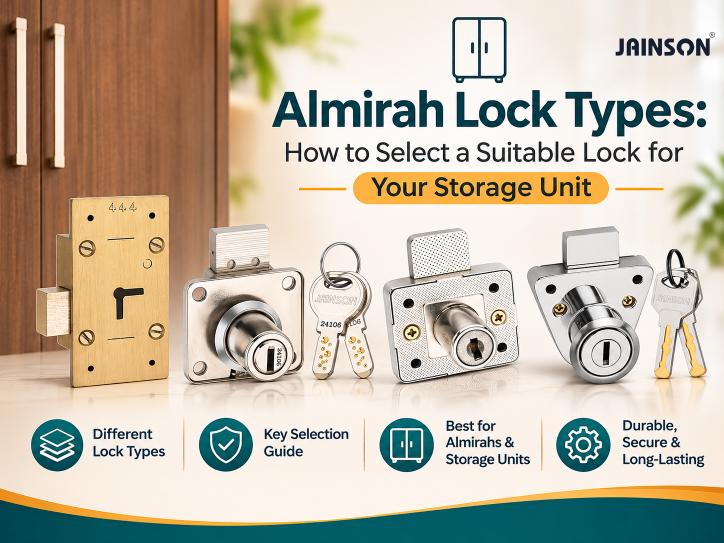
Knowing the types of locks available can aid in your buying decision. These are some of the most popular types of Almirah Locks:
In addition to the most typical locking mechanisms, cam locks are used for cupboards, cabinets, as well as other storage areas. These operate by means of a rotating metal cam, which locks the door as the key is turned.
Key features:
Compact and space-saving design.
Easy to install on compatible surfaces.
Suitable for various metal and wooden storage applications.
Convenient for everyday use.
Mortise locks are fitted within a specially prepared hole within the door. They feature a more integrated locking system and are often employed in particular pieces of furniture, doors, etc., where a built-in feature is desirable.
Key features:
Concealed installation.
Strong and sturdy construction.
Neat appearance.
Available in different configurations.
Central locking systems are used to lock multiple drawers or compartments with a single lock. They are especially beneficial for office cabinets and storage units that have multiple drawers.
Key features:
One locking point can control multiple compartments.
Helps improve storage organisation.
Suitable for office furniture and filing cabinets.
Convenient for managing multiple storage sections.
Push locks are simple locks that work on the push principle. They can be installed in cabinets and furniture where rapid access and cleanliness are desired, depending on the design.
Key features:
Simple operation.
Modern and compact design.
Suitable for compatible cabinet applications.
Convenient for selected furniture designs.
Sliding door locks are specially made for cupboards and almirahs that have a sliding door. They are used for locking the doors without disturbing the sliding movement of the door.
Key features:
Designed for sliding-door applications.
Space-efficient construction.
Easy to operate.
Suitable for modern wardrobes and cabinets.
To help choose a lock that meets your needs, here are some things to keep in mind before buying one.
1. Consider the Almirah Material
When you choose a storage unit, you should also take into account its material, as this will determine the type of lock you will need.
Metal almirahs: Metal almirahs should provide adequate strength, durability, and compatibility with the metal door.
Wooden almirahs: For a wooden door, the lock for a wooden almira must be selected based on the thickness and construction of the wooden door.
Office cupboards: Look for a cupboard with locks that open and close easily but have multiple compartments.
2. Choose the Right Locking Mechanism
There are various types of locks for various functions. For those who want a traditional solution, an almirah lock with key might be a good option.
Central locking systems might be more appropriate for several drawers. Sliding wardrobes may be more compatible with the use of special sliding door locks. Always choose a mechanism that fits your storage needs.
3. Check the Lock Material and Quality
The material is what affects the performance of a lock over time. Check for key durability, ease of key operation and sturdiness against wear and tear. Cabinets that are used often might be better suited to a quality metal locking mechanism.
4. Check Compatibility with the Almirah Door Handle
The lock should work properly with the existing door arrangement. Before buying a new almirah lock system, it is important to take into account the location and configuration of the almirah door handle. The handle and lock should be easy to use and not interfere with one another.
5. Compare the Almirah Lock Price
The price of the almirah lock varies according to material, locking mechanism, design, size and quality of the product. Rather than choosing a lock due to its monetary price, take into account its durability, functionality, and compatibility. A reliable lock might be more beneficial in the long term.
6. Look for Additional Safety Features
Locks are also available for enhanced security if you’re storing important documents, jewellery or personal belongings. For most day-to-day storage uses, cupboard safety locks can also be used to limit access to the cupboard and offer extra security.
A good lock can be ineffective if it’s not a suitable unit for your storage needs. Here are some of the typical pitfalls to steer clear of:
Purchasing a lock that is not the proper size.
Not taking the thickness of the cupboard door into account.
Selecting a lock without considering its usability.
Not paying attention to the quality of the key and locking mechanism.
Fitting an incompatible lock.
Refusing to pay attention to how often the language is used in everyday life.
Some time invested in looking at these factors can help you choose a more appropriate locking solution.
Choosing the appropriate almirah lock is crucial for ensuring the security, usability and efficiency of your storage unit. Every type of lock is used for a specific purpose, ranging from cam locks to mortise locks, central locking to sliding door locks. When buying an almirah, remember the material, thickness of the door, need for locking, the quality of the lock and cost. Selecting an appropriate and long-lasting locking system can simplify daily storage and make it more convenient. Jainson Locks is a place where it is about knowing the significance of dependable locking answers for everyday storage needs. With your choices, you will be able to choose the right lock that will help you keep your belongings well organised and protected.
1. What is the difference between an almirah lock and a drawer lock?
An almirah lock is usually utilized to lock up cupboard or wardrobe doors while a drawer lock is particularly created for locking drawers. The two have different ways in which they are installed, different sizes and different locking systems. Choosing the right one guarantees the right fit and functionality.
2. What are the different types of almirah locks?
Examples of common uses are cam locks, mortise locks, central locking systems, push locks and sliding door locks. These types are used for a variety of storage applications and installation specifications.
3. Which almirah lock is suitable for a wooden cupboard?
For a wooden cupboard mortise lock or a similar type of cam lock may be suitable. It depends on the dimensions, construction and locking choice of the cupboard. Please be sure to look at installation sizes before ordering.
4. Which almirah lock is suitable for daily use?
A good quality cam lock or other key operated locking mechanism should be suitable for daily use. Look for smooth key operation, solid build quality and a key built to last for regular opening and closing.
5. How do I measure an almirah lock before buying it?
Specify the thickness of the door, the required thickness of the lock body, the diameter of the hole and the distance from the mounting point to the locking cam or bolt. Also, examine the space available for installation and make sure to fit it correctly.
6. Are metal almirah locks better than wooden almirah locks?
There are different types of locks – metal and wooden almirah locks. Metal almirah locks are usually used in metal cupboards and wooden almirah locks are chosen based on the construction of wooden doors. It will depend on the compatibility, quality of materials and how the object is going to be used.
7. What factors affect the almirah lock price?
Almirah lock price depends on the type of lock, material used in construction, size, design, locking mechanism, and quality. These features can be compared to help you determine which is the best lock to match your budget and needs.
8. Can I install an almirah lock without professional help?
Assuming the fit and dimensions are correct, the cabinet and cam locks can be installed using basic tools. Otherwise, complicated locking systems or installations that call for changes will require professional help.
9. How can I maintain my almirah lock?
Keep the lock clean and free from dust, don’t turn the key with too much pressure on it and check periodically for loose fittings. If necessary, use an appropriate lubricant for the lock and follow the manufacturer’s maintenance guidelines.
10. How do I choose the right cupboard safety locks for my home?
First, determine what the cupboard is made from and what type and amount of security is needed. Consider the method of installation, ease of use, durability and locking system. Select the appropriate lock that fits your daily lock requirements.